

Abu Dhabi has gained a reputation for being a top-tier luxury destination, but its world-class offerings are made possible with sustainability in mind. The rise of sustainable luxury is an integral part of the city’s long-term strategic vision, with developers and designers readily implementing the following practices and standards in new projects.
Efficient Energy Usage
Luxury homes and even resorts such as Qasr Al Sarab Desert Resort by Anantara are being designed to reduce energy consumption. Advanced insulation, smart shading systems and double-glazed windows help reduce reliance on air conditioning, while the use of solar panels and water heating is now standard practice.
Water Conservation
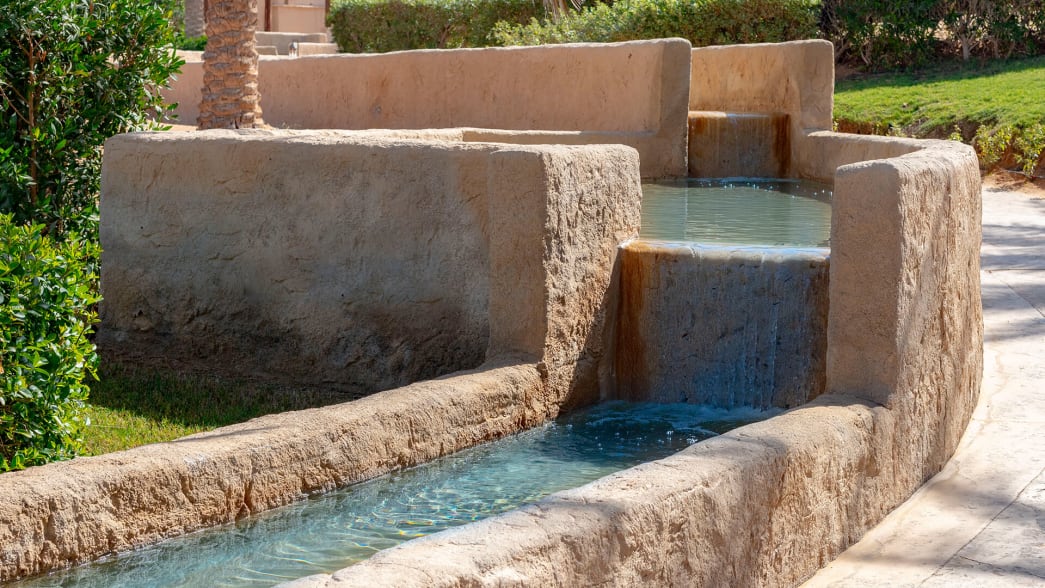
Sophisticated water-saving techniques are a top priority in Abu Dhabi’s arid climate. Efficient fixtures, such as low-flow faucets, showers and toilets, are mandatory, and the implementation of greywater recycling and drought-tolerant landscaping is becoming the key to water conservation.
Eco-Friendly Construction
Eco-friendly construction methods and materials are being increasingly used in upcoming high-end properties. Developers have shifted to using locally sourced materials, recycled steel, glass and aluminium, as well as paints, finishes, and adhesives with low volatile compounds.
Green Spaces & Biophilic Design
The seamless integration of natural elements into built environments is fast becoming a defining characteristic of Abu Dhabi’s sustainable luxury. Newer properties feature extensive green spaces, natural lighting and ventilation and ample indoor plants and green walls.
Looking to the Future
The future of Abu Dhabi’s luxury real estate is set to be green all the way. Several key policies and strategies are set to shape the city’s future in sustainable luxury. These include rigorous regulations for green building, technological advancements and mindful community planning.