

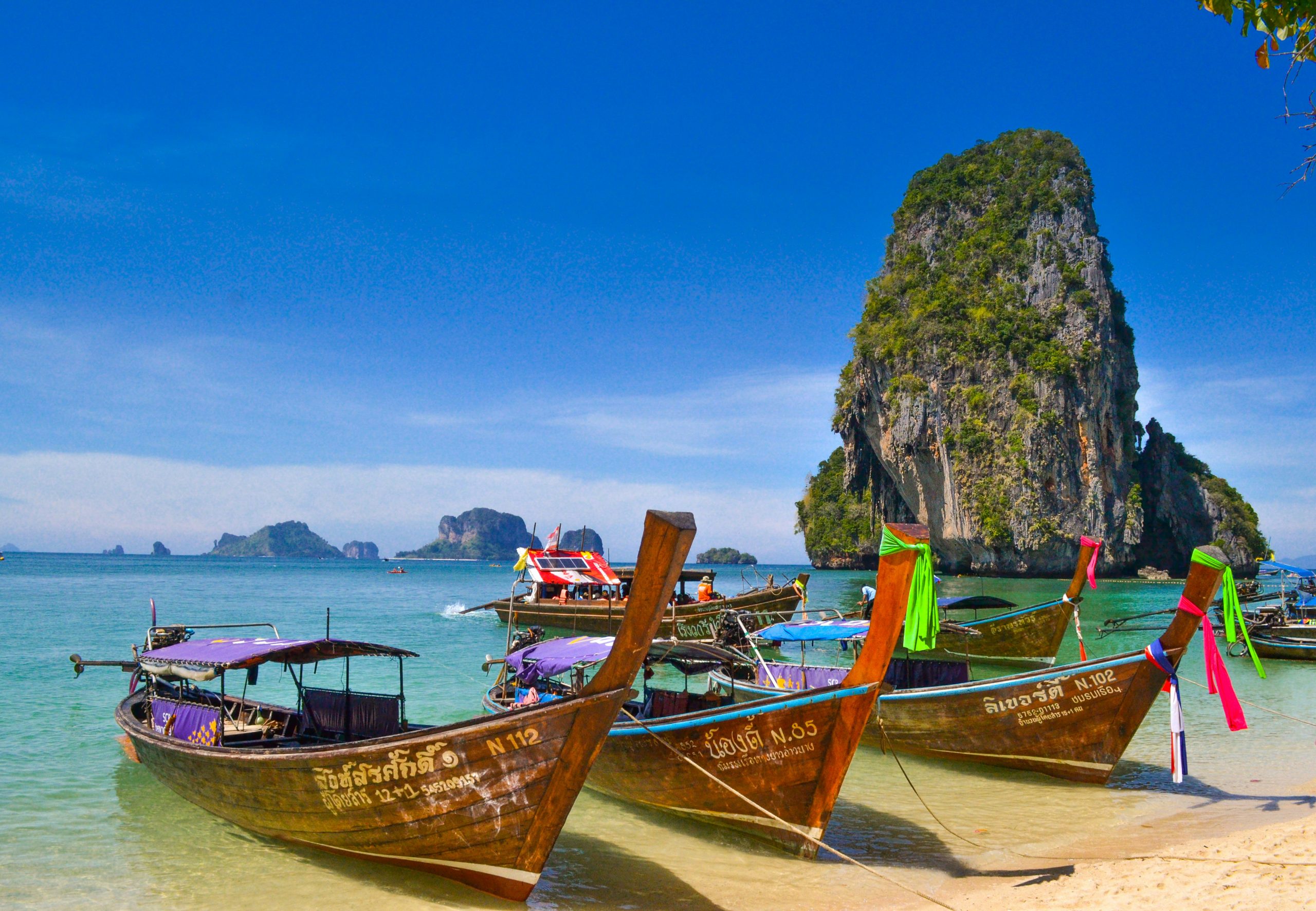
Where the jungle meets the Andaman — and time slows down just enough to remind you what a holiday is supposed to feel like
Khao Lak is not Phuket. That is precisely the point. Tucked along Thailand’s Phang Nga coastline, roughly 80 kilometres north of Phuket International Airport, this stretch of shore has long been the quieter, more considered choice for travellers who want beauty without the bustle. If you have been asking yourself, “What are the top-rated beachfront resorts in Khao Lak, Thailand?” — you are already thinking in the right direction. The answer to that question shapes the entire character of a Khao Lak holiday, because where you stay here genuinely matters. The resorts are not a backdrop; they are part of the experience itself. Whether you are a first-time visitor drawn in by photographs of powder-soft sand and emerald water, or a returning traveller who has outgrown the chaos of busier Thai destinations, Khao Lak rewards those who take the time to plan wisely. This guide covers everything you need to know before you go.
1. When to Go: Timing Is Everything
“Khao Lak has a tropical climate with dry seasons and rainy seasons. The best time to visit, considered the ‘high season’, is between November and March.” — KhaoLakCenter.com
Khao Lak’s high season runs from November through April, when the skies are clear, and the Andaman Sea is at its most inviting — calm, translucent, and warm enough to swim in at any hour. The shoulder months of October and May offer thinner crowds and lower rates, though you may encounter the occasional afternoon shower. The monsoon season, from May to October, brings heavy rainfall and strong surf; most resorts scale back operations significantly, and diving excursions to the Similan Islands are suspended entirely. For a first visit, aim for December through February — the weather is at its most reliable, and the light is extraordinary in the mornings.
2. Where to Stay: Choosing the Right Resort
“The rooms and suites are swank enough, in their minimalist Eastern-chic sort of way, and the villas take it up several notches, with private pools and a wealth of transitional indoor-outdoor space.”
— Michelin Guide
Khao Lak’s accommodation spectrum is broader than most visitors expect. At the luxury end, Le Méridien Khaolak Resort & Spa stands out as one of the most acclaimed beachfront properties in the region — a sprawling retreat set directly on Bang Niang Beach, offering multiple pools, an acclaimed spa, and a level of service that has made it a benchmark for the area. Beyond the flagship properties, you will find a solid range of boutique resorts and family-run guesthouses suited to different budgets and travel styles. The key is to book directly on the beach where possible; Khao Lak’s coastline is long, and a property set even a few hundred metres inland can feel like an entirely different holiday. Prioritise beachfront access, especially if this is your first visit.
- Getting There and Getting Around
The nearest airport is Phuket International, approximately 80 to 90 kilometres south of Khao Lak. Most resorts offer private transfers, which is the most comfortable option after a long-haul flight; shared minibuses are cheaper and widely available but considerably slower. Once in Khao Lak, a hired scooter or a daily car rental gives you the most freedom to explore the coastline, the local markets at Bang Niang, and the national park entrances at Khao Lak-Lam Ru. Tuk-tuks and songthaews (shared pick-up trucks) cover the main drag between Nang Thong and Bang Niang — adequate for short hops but not ideal for anything further afield.
4. What to Do: Beyond the Beach
“The Similan Islands national marine park is widely recognised as the number one scuba diving area in Thailand, and most would agree that the reef and marine life is some of the best in Asia.”
— Sunrise Divers
The beach is reason enough to come, but Khao Lak holds considerably more than sun and sand. The Similan Islands — a protected marine national park accessible only by liveaboard or day trip during the dry season — are consistently rated among the finest dive sites in the world. Snorkelling day trips are available for non-divers and are thoroughly worthwhile. On land, the Khao Lak-Lam Ru National Park offers jungle trekking, waterfall walks, and a chance to see wildlife in genuinely undisturbed habitat. The Bang Niang Night Market is a relaxed, local affair — better for evening meals than serious shopping, but atmospheric and inexpensive. For cultural depth, a visit to the Tsunami Memorial Boat, carried 2 kilometres inland by the 2004 Indian Ocean tsunami, is quietly moving and worth the time.
5. What to Eat and Practical Tips
Khao Lak’s food scene is built around fresh seafood, and you should eat as much of it as possible. The beachside restaurants along Nang Thong serve grilled fish, tiger prawns, and crab at prices that feel almost implausibly low relative to quality. For something more local, the morning markets near the main road open early and offer a proper Thai breakfast — rice porridge, fried dough, fresh fruit — for next to nothing. Practically speaking, bring reef-safe sunscreen (standard formulas are banned near the Similan Islands), carry small denomination Thai Baht for market purchases, and download offline maps before you arrive. Mobile signal is generally reliable in the main areas but patchy in the national park. Travel insurance with dive cover is strongly recommended if you plan to head underwater.
Khao Lak is the sort of place that surprises even seasoned travellers — quiet without being dull, beautiful without being overdone, and generous in a way that only genuinely unhurried destinations manage to be. Plan it right, and it will very likely not be your last visit.