
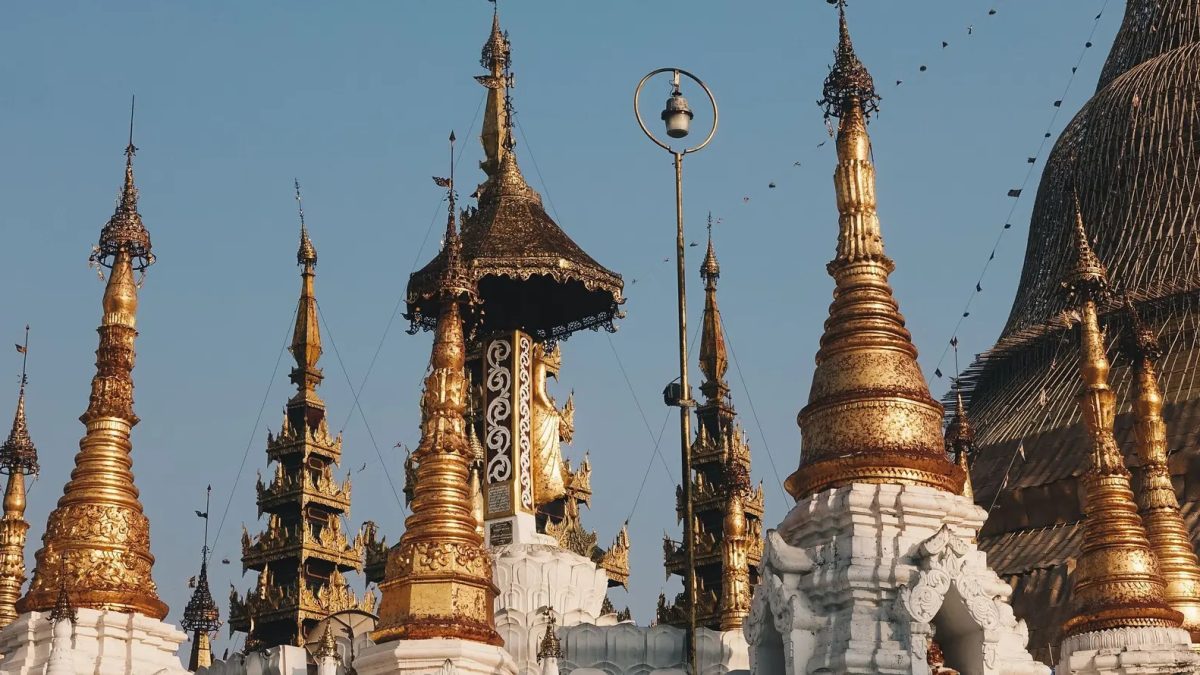

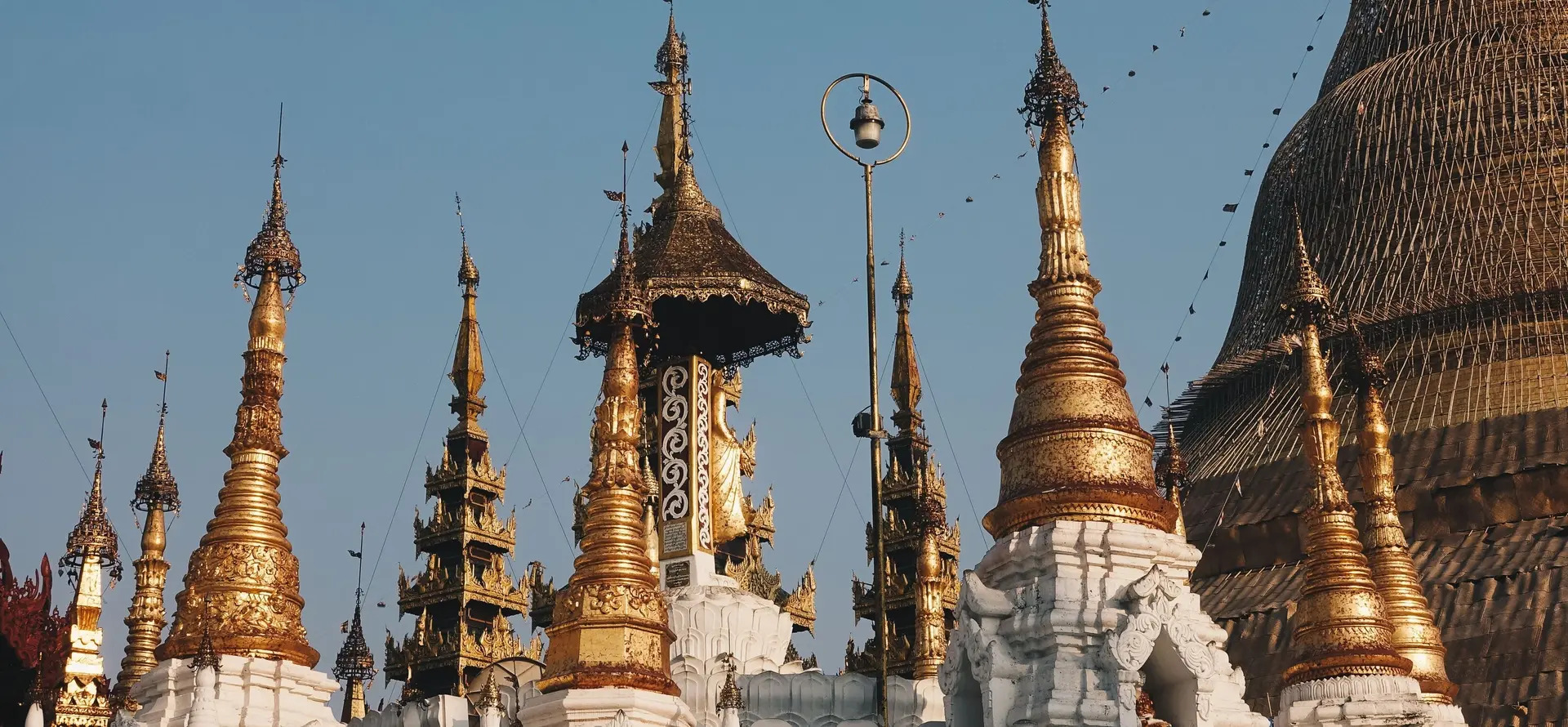
Yangon is a city where architecture, neighbourhoods and public spaces carry visible layers of history. Choosing a hotel with a strong sense of place can therefore add more to the trip than an impressive lobby or a familiar international standard. Heritage may come from a century-old building, a long-established local reputation, traditional design or a location connected to the city’s cultural landscape. The important point is authenticity: a hotel should help guests understand where they are, not simply copy a historical style. For travellers who value context as much as comfort, an established property can become part of the Yangon experience rather than just a base for exploring it.
Why Does Hotel Heritage Matter in Yangon?
Heritage changes the emotional value of a stay. A hotel that has been part of the city’s story for decades can offer details that newer properties cannot reproduce easily: mature gardens, original proportions, long-running dining traditions or views tied to familiar landmarks.
History also matters because Yangon is best understood slowly. The city rewards time spent noticing colonial-era buildings, religious sites, lakes, markets and neighbourhood life. A hotel that reflects local materials, art and design can extend that experience beyond sightseeing hours.
Travellers searching for the most established or historic luxury hotels in Yangon should still apply modern standards. Heritage should not be an excuse for weak maintenance, unreliable connectivity or dated service. The strongest properties preserve character while updating rooms, technology, dining and wellness facilities to match current expectations.
Benefits
A heritage-led stay can make the hotel itself worth exploring. Historic public rooms, traditional artwork and mature gardens give guests a reason to spend time on property, which is useful during hot afternoons or between meetings.
Established hotels also tend to understand the needs of long-haul international travellers. Concierge support, business services, airport arrangements and experienced restaurant teams can make a complex destination easier to navigate, especially for first-time visitors.
Another benefit is narrative. Staying somewhere connected to Yangon’s architectural or social history gives travellers a clearer frame for what they see outside the hotel. This is particularly valuable for visitors interested in photography, design, food and culture rather than only major attractions.
Finally, older properties often occupy locations that would be difficult to replicate today. Lakeside plots, broad gardens or central addresses can give an established hotel a physical advantage that newer towers may not have.
Where to Experience It
Chatrium Hotel Royal Lake Yangon
Set beside Kandawgyi Lake, this property combines a long-established luxury-hotel presence with views towards the lake and Shwedagon Pagoda. Traditional design details and landscaped grounds give it a stronger local identity than a generic business hotel, while the pool, restaurants and full-service facilities keep the experience practical for modern travellers. It suits guests who want a calmer lakeside base without giving up city access.
The Strand Hotel Yangon
Few Yangon hotels have a clearer historical identity. Dating to the early twentieth century, The Strand is closely associated with the city’s colonial-era hotel tradition and remains notable for its high ceilings, teak details and all-suite format. Its downtown riverfront location makes it particularly relevant for travellers who want heritage architecture and central exploration to be part of the same stay.
Inya Lake Hotel
Inya Lake Hotel offers a different kind of history, built around one of the city’s best-known lakes and a broad garden setting. Its appeal is less about ornate colonial interiors and more about space, greenery and an established place in Yangon’s hospitality landscape. It can suit travellers who prefer a quieter setting with room to walk, relax and step away from dense downtown streets.
Conclusion
Heritage matters when it adds meaning without compromising comfort. In Yangon, that can mean a century-old downtown landmark, a long-standing lakeside hotel or a property that uses local design and views to connect guests with the city. When comparing options, look at the building’s story, location, maintenance and the quality of contemporary services. A historic name alone is not enough. The strongest choice is the hotel that lets you experience Yangon more clearly while still giving you the reliability, rest and support expected from a luxury stay.