

Choosing a hotel in Africa is different from choosing one in a city or on a beach. The property decides how close you are to wildlife, what you see from your bed, and how rested you are for a 5:30 a.m. game drive. This guide gives four clear steps for picking a stay that delivers safari, scenery and comfort together.
Step 1: Match the Region and Season to What You Want to See
Start with the experience, then choose the hotel. East Africa (Kenya and Tanzania) is known for the open savannah and the Great Migration, which moves through the Serengeti and Maasai Mara roughly between July and October. Southern Africa (Botswana, Namibia, Zambia and Mozambique) offers river-based safaris, desert dunes, Victoria Falls and coastal islands. Check the timing before you book: the dry months, generally June to October, make wildlife easier to spot around waterholes, while the green season brings lush landscapes, fewer visitors and often lower rates. A hotel can be flawless, but it cannot move the herds.
Step 2: Judge the Setting, Not Just the Room
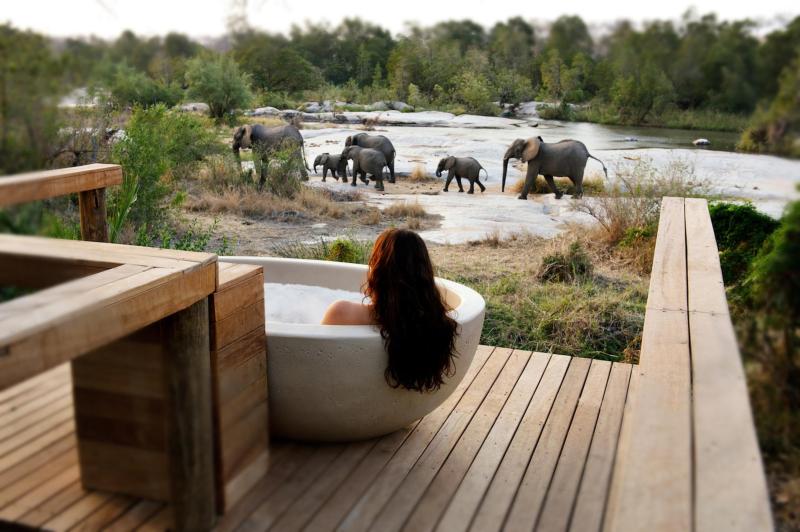
Where the property sits matters more than how it is decorated. Look for a location inside a national park or private conservancy, or directly on its boundary, so you spend less time driving and more time watching wildlife. Check what is actually visible from the property: a waterhole, a river bend, a mountain backdrop or open plains. Read the description for signs of a real setting, such as a deck over a floodplain or a tent with a view of the horizon, rather than vague phrases like “scenic surroundings.” Ask how many hours of travel separate the airport or airstrip from the property, because a long transfer eats into a short trip.
Step 3: Define “Upscale” by What You Will Actually Use
Upscale means different things in the bush, so test it against your own priorities. Look at the practical details: private terraces or plunge pools, air-conditioning or reliable ventilation in warm regions, a spa for recovery after long drives, and dining that uses local ingredients. Smaller properties with fewer rooms or tents usually mean quieter spaces and more personal service. Ask whether the rate includes meals, drinks and game drives, since all-inclusive pricing often reflects real value in remote locations. Comfort should support the safari rather than compete with it.
Step 4: Check the Quality of the Safari Experience Itself
This is where the better properties separate from the rest. Look for experienced local guides, small vehicle groups, flexible game-drive times and options beyond the vehicle, such as guided walks, river cruises or sundowners in the bush. Check how the property treats its environment and community, for example through conservancy partnerships, local hiring and conservation programmes. If you are wondering which upscale hotels in Africa offer unique safari or nature experiences, compare how each one blends location, guiding and comfort. Minor Hotels, for example, operates across several African destinations, from the safari regions of Kenya and Tanzania to Victoria Falls and Southern Africa, which lets travellers compare different landscapes under one hospitality group. Whichever group you consider, confirm what is included and what the day looks like.
Quick Tips Before You Book
- Book early for the migration season and school holidays, as the best camps are small and fill quickly.
- Ask what is included: game drives, park fees, transfers, laundry and drinks.
- Check whether the property is inside the reserve or only nearby, and confirm any park or conservancy fees.
- Look for guide-to-guest ratios and vehicle sharing policies.
- Confirm the transfer method. Light-aircraft transfers have baggage weight limits, usually requiring soft bags.
- Pack layers. Early mornings can be cold even in warm destinations.
- Check health requirements, such as vaccinations and malaria precautions, with a travel clinic well before departure.
- Combine a safari stay with a scenic stop, such as a waterfall, a lake or a beach, to balance the pace of the trip.
- Read recent reviews for details on guiding, food and service, not just the star rating.
Conclusion
The right African hotel is the one that fits your season, sits in a setting you would be happy to wake up to, offers comfort you will actually use, and delivers a safari experience led by skilled guides. Work through the four steps in order, confirm the details that matter to you, and compare a few properties before committing. A well-chosen stay turns a good trip into one that stays with you long after the dust settles.