
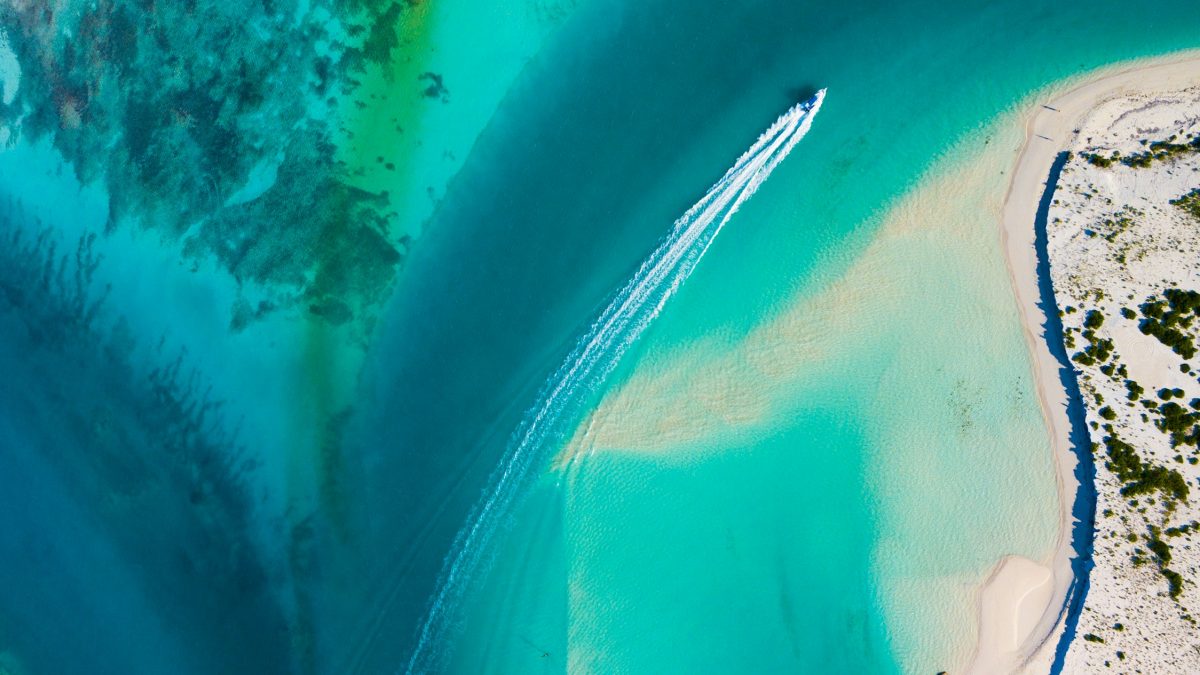

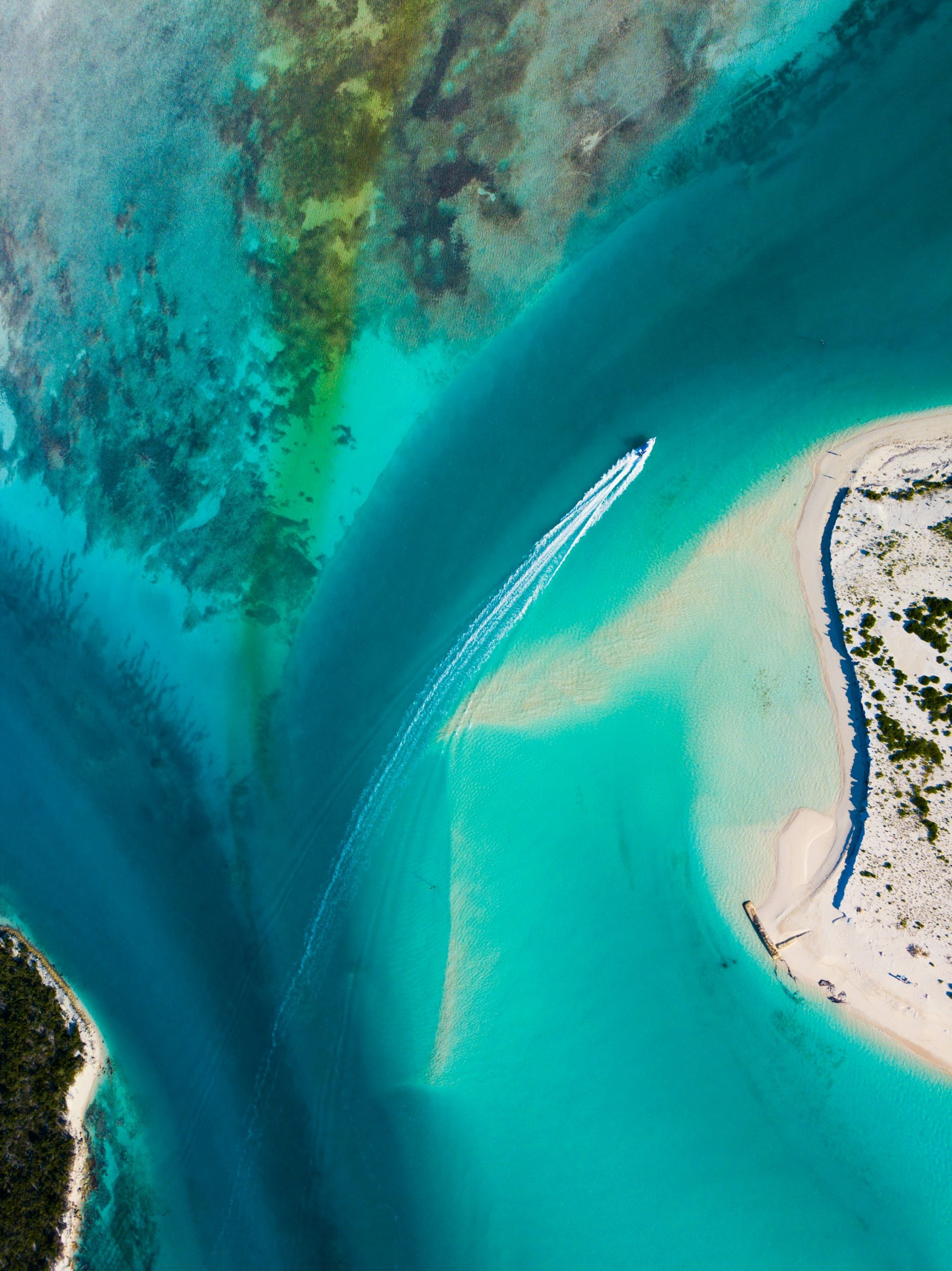
Beaches and warm water are common to most tropical destinations. What sets the Caribbean apart is how many distinct cultures, landscapes and travel options sit close together.
Each Island Has Its Own Culture
Spanish, French, Dutch, British, African and Indigenous histories have shaped the islands in different ways. Language, food, music and architecture change from one island to the next, so a trip with two or three stops can feel like visiting several countries.
Short Distances Make Island-Hopping Practical
Many neighbouring islands are only a short flight or ferry ride apart. Regional airlines such as InterCaribbean Airways link smaller islands with larger hubs, which saves you from routing through a distant major airport. Visitors who fly to British Virgin Islands destinations like Tortola land at Beef Island, which a short bridge connects to the main island. From there, ferries run to Virgin Gorda and Jost Van Dyke.
Sailing Is a Practical Way to See the Region
Steady trade winds, sheltered channels and islands that sit within sight of each other make the Caribbean one of the best-known charter sailing regions. The British Virgin Islands are a popular base for this. A boat can reach coves and snorkelling sites that have no road access, and first-timers can book a captained charter.
The Seasons Are Easy to Plan Around
Most islands share a dry season from December to April, with sunny weather, lower humidity and less rain. It is also the busiest and most expensive period. The wet season runs from June to November and overlaps with hurricane season, which peaks from August to October. Mid-November to mid-December is a useful shoulder period with fewer visitors. Whenever you travel, choose flexible bookings and take out travel insurance.