

A Tightly Packed Adventure
For its size, Sri Lanka is stacked. The island is home to over 120 mammal species, more than 450 species of birds, over 120 types of reptiles, and one of the largest wild Asian elephant populations anywhere. Roughly 30 percent of the country's land is protected as national parks, reserves, or conservation zones, which is a genuinely huge chunk of a small island to set aside for wildlife.
The Main Attractions
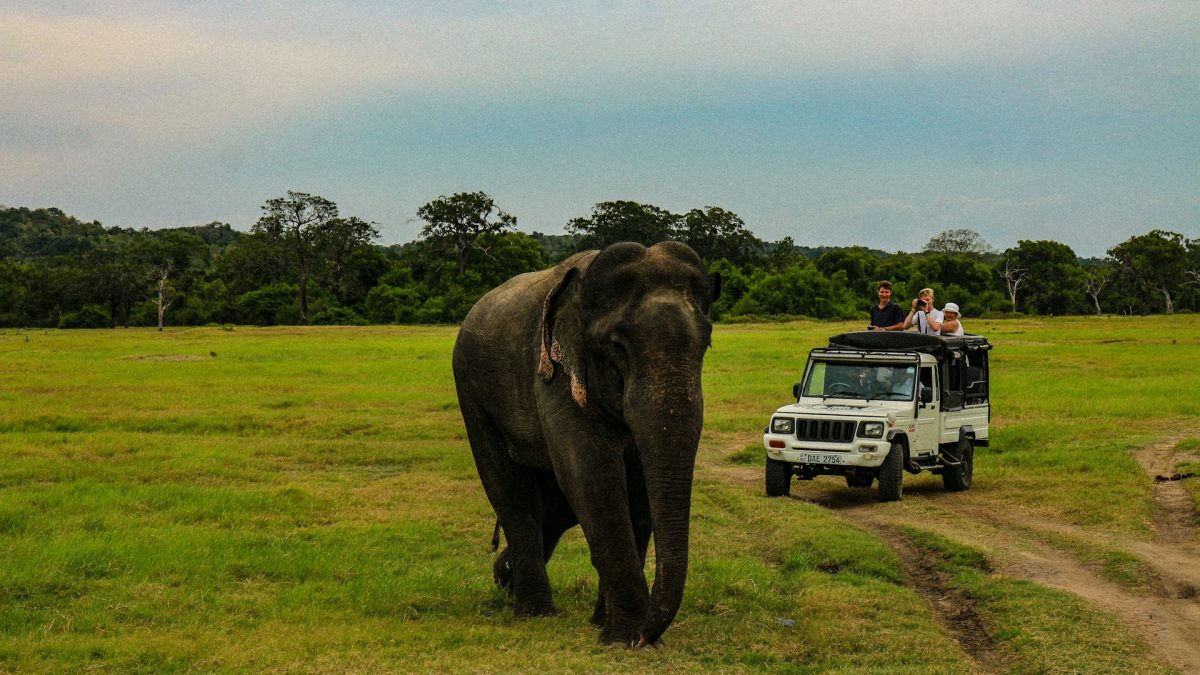
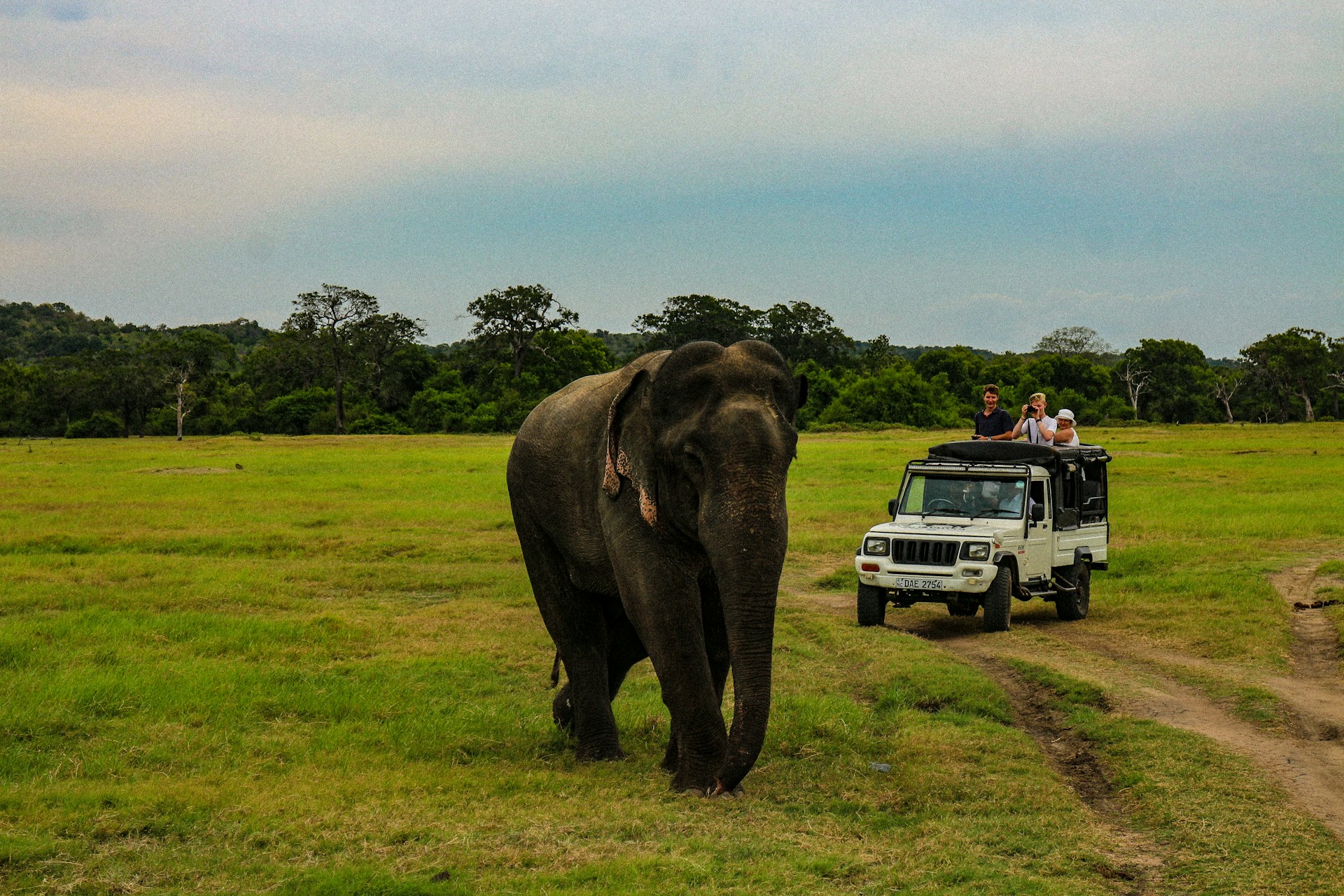
Sri Lanka doesn't really do Africa's Big Five; it's got its own lineup, and honestly it holds up. Yala National Park has one of the highest leopard densities on the planet, which makes it one of the best spots in the world to see a wild leopard, full stop. Wilpattu, the country's largest park, is the quieter alternative, offering denser forest, natural lakes, fewer crowds, and leopard sightings that longtime safari fans often rate even higher than Yala's. Then there are the elephants. Udawalawe is the reliable bet for consistent sightings year-round, while Minneriya and nearby Kaudulla are where things get genuinely spectacular during the dry season.
Not all of it is on Land
Here's the bit people tend to forget: Sri Lanka's wildlife scene doesn't stop at the park gates. Mirissa and Trincomalee are both genuinely solid spots for whale watching, with sightings of blue whales, sperm whales, Bryde's whales, and spinner dolphins depending on the season. Mirissa runs best from November through April, Trincomalee from May through September. For a proper and extensive wildlife tour in Sri Lanka, check out operators such as Walkers Tours for certainty.
Do the Action Right
None of this works long term if the tourism side of it isn't handled properly, so it's worth actually caring about how you do this. Stick to licensed safari operators, keep your distance rather than crowding animals for a closer photo, and skip anything that involves touching or feeding wildlife, no matter how tempting it looks in the moment. If you're into photography, mornings are when the action happens, so an early start, a decent telephoto lens, neutral clothing, and staying quiet during a sighting will get you a lot further.