
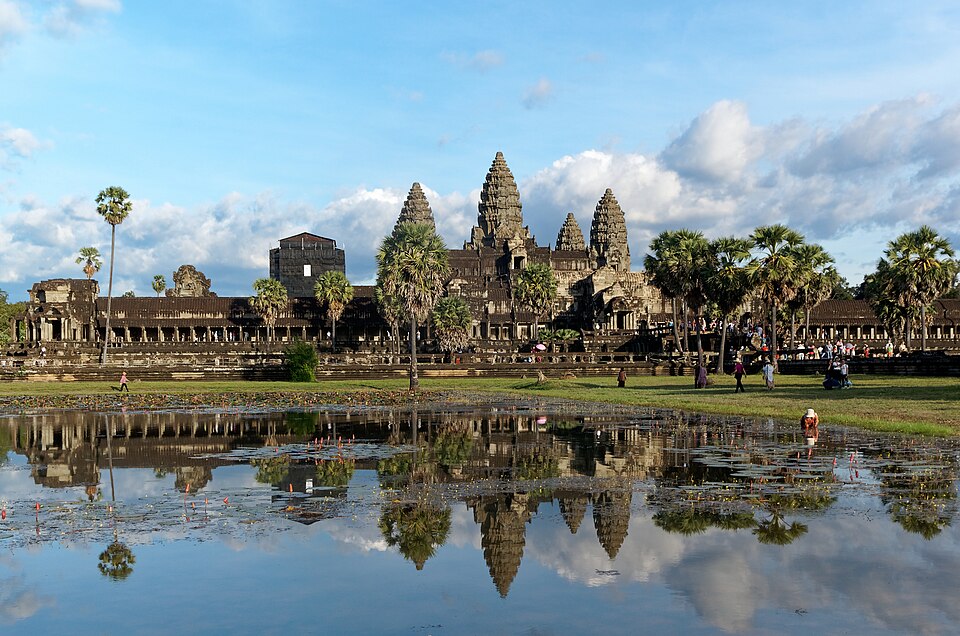


Angkor Wat is the headliner — and yes, it absolutely lives up to the hype — but the city around it has grown into a destination that rewards the curious traveller long after the temples have been explored. Here’s why it belongs at the top of any Southeast Asia itinerary.
The Temples of the Beginning
The Angkor Archaeological Park spans 400 square kilometres and contains over 1,000 temples, offering a window into the extraordinary artistry of the Khmer Empire, which ruled Southeast Asia from the 9th to the 15th centuries. Angkor Wat itself — the world’s largest religious monument — is best experienced at sunrise.
An All-Permeating Culture
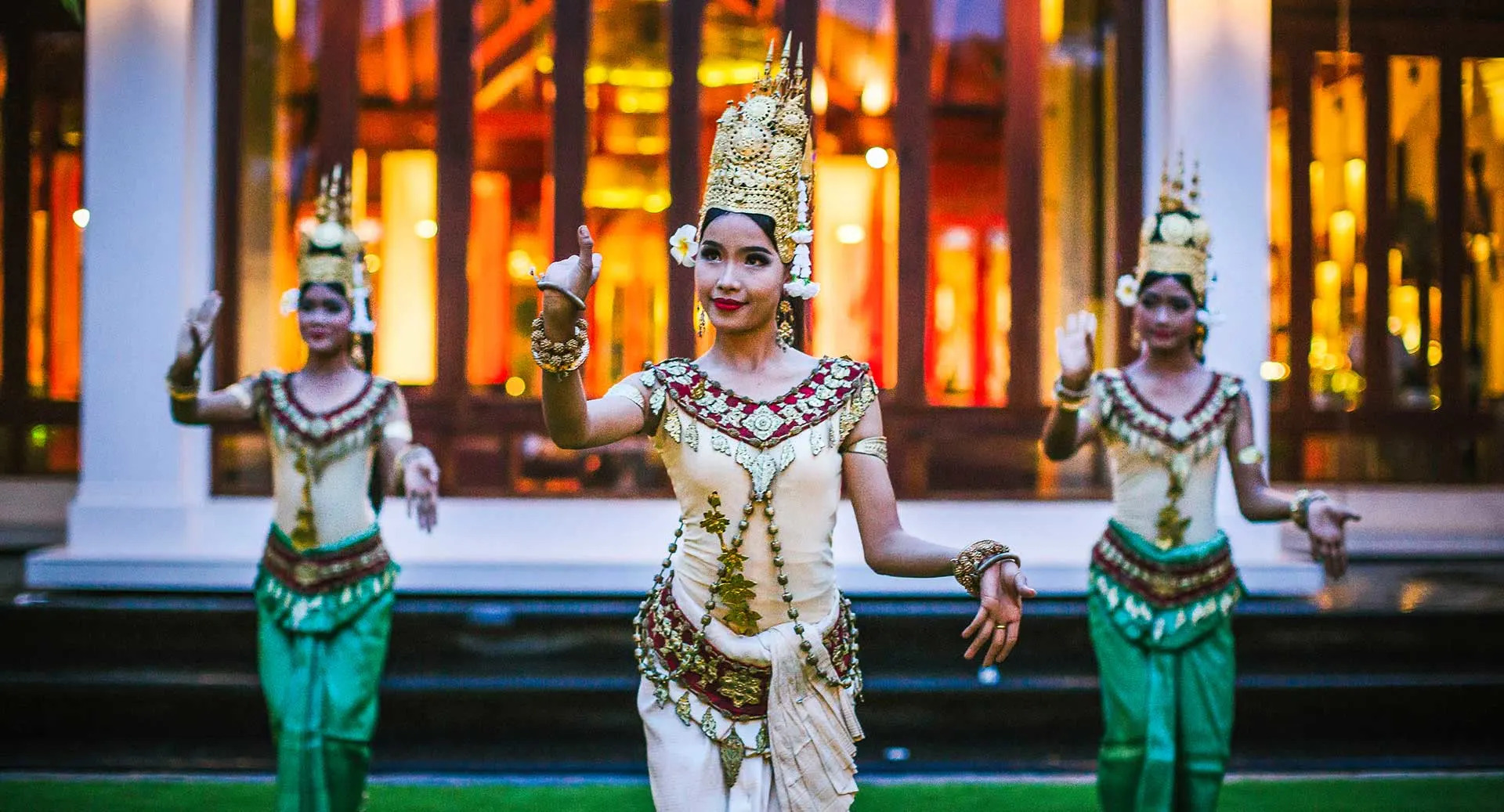
Siem Reap’s cultural scene thrives through performances, crafts, and festivals rooted in the Angkorian legacy. Apsara dance, for example — a classical form depicting celestial nymphs through graceful hand gestures and elaborate costuming — brings the bas-reliefs of the temples to life in evening performances across the city. It’s one of the many perfect things you can witness coming from the luxury hotels in Siem Reap – such as the Anantara Angkor Resort.
From One to the Next
A boat trip on Tonle Sap is one of the most singular experiences in Southeast Asia, and Siem Reap is the easiest jumping-off point for it. Southeast Asia’s largest freshwater lake is home to floating villages like Kompong Phluk, where stilt houses rise and fall dramatically with the seasons.
A Place that’s Easy to Stay in
Siem Reap has a genuinely tranquil urban character — wide boulevards lined with frangipani trees, parks along the Siem Reap River, and a low-rise cityscape that keeps the pace calm and the atmosphere unhurried. It’s also remarkably affordable: street food like amok curry or lok lak beef averages two to three dollars, budget guesthouses start at around ten dollars a night, and tuk-tuk rides run a dollar or two.