

Ningbo lies at the meeting point of China’s Grand Canal and the Maritime Silk Road. With spring and autumn considered the best seasons to visit, November offers pleasant opportunities to explore the city. Its temples, mountain scenery and lakeshores provide rewarding excursions beyond the city centre.
Tiantong Temple: Zen Heritage
Visitors staying in accommodations such as Pan Pacific Serviced Suites Ningbo can enjoy a visit to Tiantong Temple, located on Taibai Mountain. Dating back to the Western Jin Dynasty, it is one of China’s four Zen Buddhist forests and holds significance for Japan’s Caodong school. The Hall of the Abbot features a plaque written by the Yongzheng Emperor, while Tiantong National Forest Park lies nearby.
Asoka Temple: Ancient Relics
Travellers choosing Ningbo apartments for a longer stay can explore Asoka Temple at a leisurely pace. It is China’s only surviving millennium-old temple named after Ashoka. The Sarira Pagoda houses relics of Sakyamuni, while two Yuan Dynasty pagodas remain within the grounds. The temple also preserves stone tablets from several dynasties.
Xikou Town: History and Scenery
Located in Fenghua District, Xikou is renowned as the hometown of Chiang Kai-shek. His former residence offers insight into the family’s history before 1949. Nearby, Xuedou Mountain Scenic Area features the Shanxi River, waterfalls, ancient temples and an impressive open-air Maitreya Buddha.
Dongqian Lake
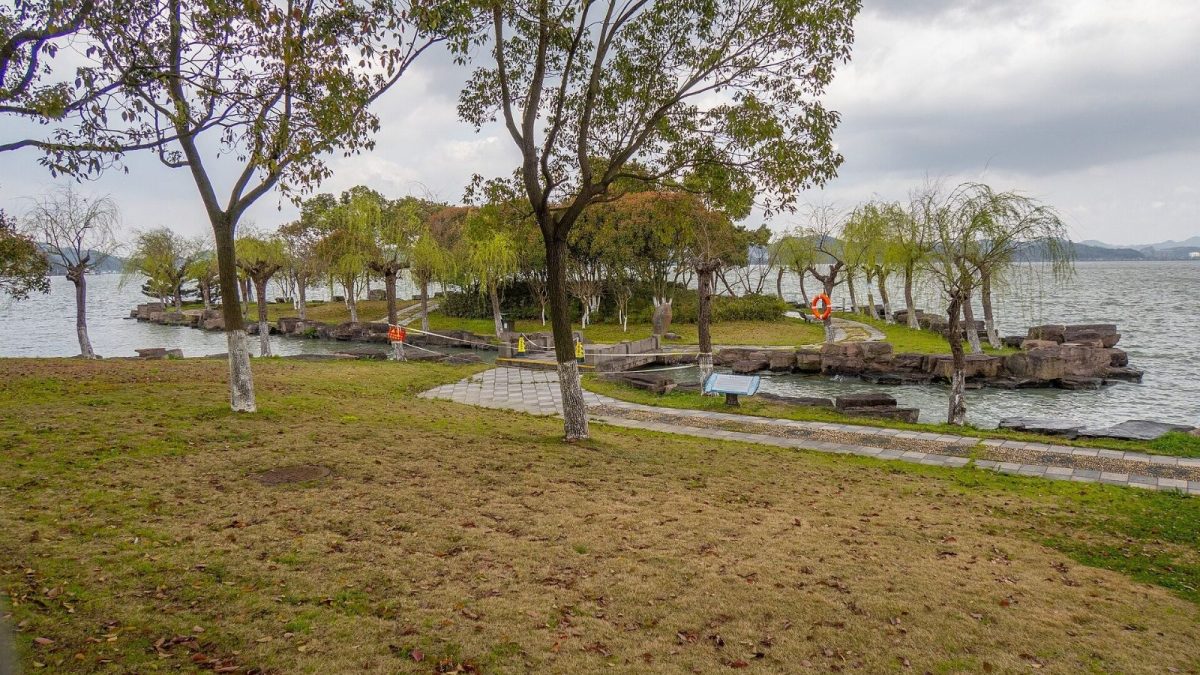
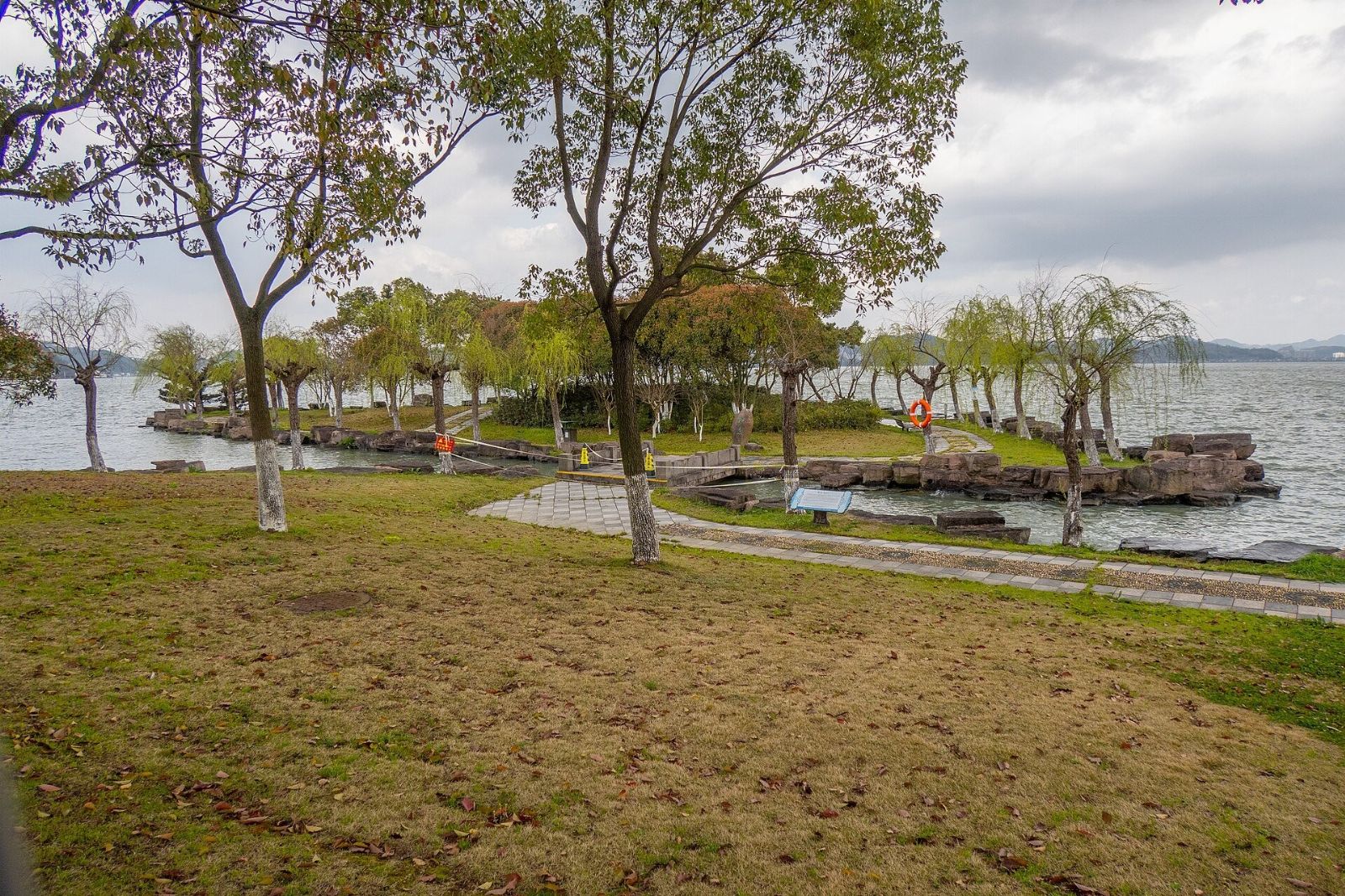
Dongqian Lake, Zhejiang’s largest freshwater lake, is considerably bigger than Hangzhou’s West Lake and generally less crowded. The Taogong Causeway divides the lake, while Small Putuo, Taogong Island and a Southern Song Stone Carving Park enhance its scenic surroundings. Renting a bicycle to explore the lakeside routes offers an enjoyable way to take in the scenery and makes for a memorable outing.